Hidden fees to avoid with Golders Green rubbish removal
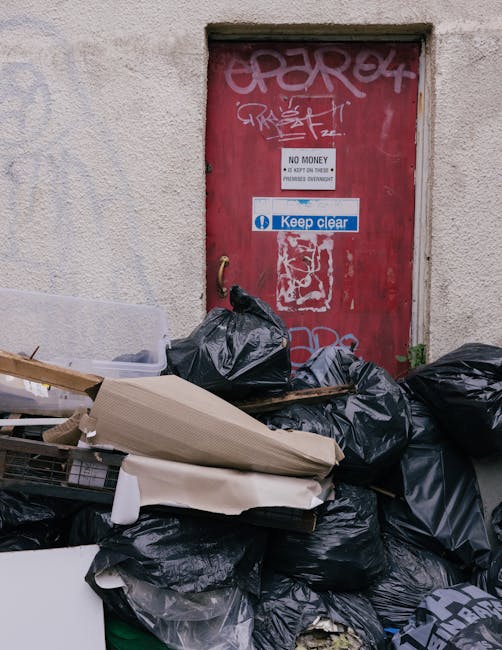
If you are booking Hidden fees to avoid with Golders Green rubbish removal, the biggest mistake is assuming the first price you hear is the final price. In practice, rubbish removal quotes can look straightforward, then quietly change once the team arrives, once the load is weighed, or once access turns out to be tighter than expected. That is frustrating, especially when you are already trying to clear space quickly. The good news? Most hidden charges are easy to spot once you know what to ask, what to check, and what language tends to hide the small print.
Golders Green homes, flats, shops, and office spaces can all create different removal challenges. A few bulky items in a hallway is one thing. A loft full of mixed waste, a basement with awkward stairs, or a builders' pile left after a rushed job is another. This guide walks you through the most common extra fees, how honest pricing usually works, and the practical steps that help you keep control of your budget. Nothing flashy. Just the bits that save you money.
Why Hidden fees to avoid with Golders Green rubbish removal Matters
Hidden fees are not just an annoying surprise. They can turn a sensible clearance into a stressful, over-budget job. In a busy area like Golders Green, where parking, access, and building layouts vary so much, it is very easy for a provider to add charges for things you did not fully factor in. A flat on a narrow road, a terraced house with side access, or an office above a shop can all look simple in the phone call and then become more complicated on arrival. That is where the extra line items creep in.
To be fair, some additional charges are legitimate. If waste is heavier than declared, if there is restricted access, or if specialist handling is needed, the price may change for a proper reason. The problem is when those costs are not explained clearly in advance. A transparent firm will tell you what is included, what may cost extra, and what needs checking before collection day.
For many households and businesses, the concern is not only money but confidence. You want to know whether your quote covers labour, loading, disposal, travel, and any awkward details like stairs or parking. You also want to avoid the classic "we found more than expected" conversation. Let's face it, nobody enjoys that after they have already packed a room full of bags.
Practical takeaway: the more specific your description of the waste and access, the less room there is for hidden costs later.
How Hidden fees to avoid with Golders Green rubbish removal Works
Good rubbish removal pricing usually starts with a simple estimate based on volume, waste type, and access. In plain English, the company wants to know how much space your items take, what they are made of, and how easy they are to collect. From there, the team decides what vehicle, labour, and disposal route is needed.
Where people get caught out is when they give only a rough summary. "A few bits from the garage" or "some office junk" can mean very different things. One person means two chairs and a broom. Another means half a room of dismantled shelving, computer equipment, and old files. Same phrase, very different job.
Hidden fees often appear in one of four ways:
- Add-ons on arrival: the crew says the waste is more than expected or harder to move than described.
- Excluded items: certain objects, such as appliances or hazardous materials, are not covered by the original quote.
- Access charges: extra labour is added because of stairs, long carries, poor parking, or restricted entry.
- Timing charges: same-day, evening, or urgent bookings may cost more if these terms are not clear up front.
A trustworthy provider should explain the full charging structure before anything is booked. If they refer you to clear terms, useful pricing guidance, or booking details such as pricing and quotes, that is usually a better sign than a vague "don't worry, we'll sort it on the day" promise.
One small but important point: not all rubbish is treated the same way. Mixed waste, furniture, white goods, garden waste, builders' debris, and sensitive office materials can each be priced differently. If you are clearing a property with a mix of items, it helps to split the job by type before asking for a quote. A little admin now can avoid a painful surprise later. Honestly, that's the bit people skip most often.
Key Benefits and Practical Advantages
Spotting hidden fees early does more than save money. It makes the whole clearance process calmer, quicker, and easier to plan around. Here is what good upfront pricing can give you.
- Predictable budgeting: you know what the job will cost before the van arrives.
- Less hassle on the day: no awkward renegotiation once your items are outside.
- Better service comparison: you can judge quotes fairly instead of comparing apples with oranges.
- Fewer disputes: clear terms reduce the chance of confusion after collection.
- More efficient clearance: the team can plan the right vehicle, staff, and time slot.
There is also a less obvious benefit: clarity tends to attract better operators. Companies that are open about what is included often have better processes behind the scenes too. That might mean proper recycling routes, clearer handling of restricted items, and a more sensible customer journey overall.
If you are clearing a home, home clearance can be especially cost-sensitive because the load often includes mixed household items, old furniture, and the odd awkward item from the loft or shed. If the quote feels vague, ask for a breakdown before agreeing. It takes two minutes, saves much longer later.
And yes, if a price looks unusually cheap, there is usually a reason. Sometimes it is a real bargain. Sometimes it is the quiet before the add-on storm.
Who This Is For and When It Makes Sense
This advice is useful for almost anyone arranging waste collection in Golders Green, but it matters most if your clearance is not perfectly simple.
- Homeowners clearing a loft, garage, or whole property.
- Renters dealing with end-of-tenancy waste or a flat full of leftovers.
- Landlords and letting agents who need predictable costs after a tenant move-out.
- Businesses arranging an office clearance or periodic waste removal.
- Builders and tradespeople who need to move rubble, timber, packaging, or mixed site debris.
It also makes sense if you are short on time and cannot afford back-and-forth phone calls. That is often the case with flat clearance, where access can be tight and building rules can change the job more than you expect. One customer might only need a sofa and a mattress removed. Another might have bins, bags, broken shelving, and a fridge to deal with. The difference in price can be meaningful.
There are also seasonal moments when hidden charges become more common. Around a move, after a renovation, or during a big clear-out before guests arrive, people rush. Rushed decisions usually mean weak quotes. If that sounds familiar, you are not alone. We've all had that "I'll just get it sorted today" moment.
Step-by-Step Guidance
If you want to avoid hidden fees, use a simple process. No fancy tools needed.
- List exactly what needs removing. Break it into categories: furniture, bags, appliances, garden waste, builders' debris, documents, or mixed junk.
- Check access carefully. Note stairs, narrow hallways, parking limits, loading distance, lifts, and any need to carry items through shared spaces.
- Ask what the quote includes. Labour, vehicle use, disposal costs, recycling handling, waiting time, and VAT or other charges should be clear.
- Ask what could trigger an extra charge. Weight, access, special items, contamination, urgent timing, or extra loading time are all common triggers.
- Share photos if possible. A few clear pictures often explain more than a long phone call. A messy garage shot tells a much better story than "there's a bit in there".
- Confirm special items in advance. Fridges, mattresses, sofas, and certain waste types may need specific handling. If you need fridge and appliance removal, ask exactly how it is priced.
- Read the terms before you book. A short look at the terms and conditions can help you spot the sort of wording that hides extra fees.
- Keep everything in writing. Even a confirmation email is better than a vague phone memory, which, let's be honest, gets fuzzy fast.
Here is a simple rule: if a provider will not explain the price in plain English, slow down. A better quote is often the one that asks more questions, not fewer.
Expert Tips for Better Results
From a practical point of view, a few habits make a big difference.
- Measure the load roughly. You do not need exact cubic metres, but a room-by-room description helps a lot.
- Separate awkward items. Put mattresses, appliances, and hazardous materials aside so they are not lost inside a "general waste" pile.
- Be honest about access. If the collection truck cannot park directly outside, say so early. It matters more than people think.
- Ask if recycling is included. A responsible company will usually have a proper approach to sorting and diversion, which you can often explore through their recycling and sustainability information.
- Check for licensing and insurance signs. Good operators tend to be open about safety and process, not cagey. See whether they explain insurance and safety in a readable way.
If your job involves business waste, do not assume domestic pricing applies. Office clear-outs, storage room stripping, and file disposal can have different requirements. A proper office clearance quote should reflect the type of waste, the building access, and any sensitive items.
Another small tip: keep an eye on wording like "from price", "subject to inspection", or "additional fees may apply". Those phrases are not automatically bad. But they do mean you need detail. Detail is the whole game here.
Common Mistakes to Avoid
Most people do not get caught out because they are careless. They get caught out because the job feels simple and the quote sounds friendly. That is understandable. Still, a few mistakes appear again and again.
- Assuming all waste types cost the same. Furniture, builders' waste, garden material, and electrical items are often priced differently.
- Giving a vague description. "Household rubbish" can mean almost anything.
- Forgetting access issues. Steps, parking, and distance from the van can change the labour required.
- Not checking excluded items. If you have a fridge, mattress, or bulky sofa, confirm whether it is included.
- Ignoring the small print. The quiet charges are usually written down somewhere.
- Booking on speed alone. Fast is fine. Blind is not.
There is one more error worth naming: comparing only the headline price. A cheap quote with lots of exclusions can be more expensive than a slightly higher quote that covers everything. That is especially true for larger jobs such as builders waste clearance, where weight, dust, rubble, and labour can all affect the final amount.
And yes, sometimes the nastiest fee is not even the biggest one. It is the little one you did not notice. The "waiting charge", the "extra bag charge", the "minimum load adjustment". Tiny names, annoying totals.
Tools, Resources and Recommendations
You do not need expensive software to stay in control. A few simple tools and habits are enough.
- Camera on your phone: take wide shots of each room and close-ups of any awkward items.
- Notes app or checklist: keep a running list of what needs removing and what might need specialist handling.
- Measurements: if you can, note the approximate length, width, and height of bulky items like wardrobes or sofas.
- Photo folder: keep all clearance pictures together so you can send them quickly if requested.
- Provider pages on pricing, policies, and disposal: useful pages such as payment and security and health and safety policy can help you understand how the company works before you book.
If you are handling a sensitive household clear-out, you may also want to check whether the company offers services like confidential shredding. That is not about hidden fees exactly, but it is part of avoiding last-minute add-ons when paper records or private materials turn up in a pile.
For a domestic job, a strong starting point is the main waste removal page, then cross-check the relevant service page for the type of waste you actually have. The clearer the match, the fewer surprises. Simple as that.
Law, Compliance, Standards, or Best Practice
When rubbish removal is involved, compliance matters even if the customer is mainly thinking about price. In the UK, waste must be handled responsibly, and reputable companies should be able to explain how they manage removal, transport, sorting, and disposal in line with normal industry expectations. You do not need legal jargon. You do need reassurance that the job will not create a problem later.
Best practice usually means a few common-sense things:
- clear written pricing before the job starts, where possible;
- transparent treatment of excluded or specialist items;
- safe handling of heavy or awkward loads;
- careful attention to access, lifting, and site conditions;
- proper disposal routes and sensible recycling where practical.
If your waste includes items that may need extra care, such as certain chemicals, sharp materials, or contaminated contents, ask about hazardous waste disposal before booking. Do not leave this until the van is outside. That is exactly how extra charges and delays happen.
For furniture and bulky items, a good provider should be able to explain how furniture disposal or specific removals are priced and whether the item falls into a different category. The same applies to mattresses and sofas, which often bring separate handling considerations. None of this is unusual. It just needs to be said plainly.
One more thing: if a company has policy pages that explain how it operates, that is usually a positive sign. It suggests the business has thought through safety, process, and customer fairness rather than just chasing quick bookings. That said, always read the actual quote. Policies are useful, but the price you pay is the one that matters.
Options, Methods, or Comparison Table
Different removal methods suit different jobs. The cheapest-looking option is not always the cheapest in the end.
| Option | Best for | Possible hidden fee risk | What to check |
|---|---|---|---|
| Full rubbish removal service | Mixed household, office, or garage waste | Access, labour, excluded items | What is included in the quote |
| Specialist furniture collection | Sofas, wardrobes, tables, mattresses | Bulky item handling, dismantling, stairs | Whether dismantling costs extra |
| Builders waste clearance | Rubble, timber, renovation debris | Weight-based charges, contamination | How mixed loads are priced |
| Garden clearance | Green waste, branches, soil, broken pots | Soil weight, bagging, access to rear gardens | Volume and whether bags are accepted |
| Skip-style alternative | Longer projects with space outside | Permit, restricted materials, overfilling | What can go in a skip before booking |
If you are comparing a skip with a collection service, a useful starting point is the page on what can go in a skip. That helps you think through whether your load is simple, mixed, heavy, or likely to need special handling. In many Golders Green streets, space and access are part of the decision anyway.
There is no single best method for everyone. A flat clear-out after a move is not the same as a garden strip-out or an office downsizing. The right choice depends on time, access, item type, and how much control you want over the final cost.
Case Study or Real-World Example
A typical Golders Green scenario goes like this. A resident needs a garage cleared after years of storage. At first glance, it sounds simple: old boxes, a broken desk, a bike, some bags, and a fridge-freezer that no one wants to deal with. The first quote sounds fine. But once the provider asks a few proper questions, the picture changes.
The garage is at the back of the property. Access is through a narrow side passage. The fridge-freezer needs separate removal. A couple of the bags contain mixed renovation leftovers, not just household clutter. Suddenly the job is no longer a quick "one van, one man" sort of thing.
What made the difference? The customer sent photos and listed the awkward items early. The provider explained what was covered, what needed specialist handling, and what would count as an extra charge. The final price was not the cheapest headline number, but it was the honest one. No surprises. No sighing at the gate. That matters.
We have seen the same pattern in garage clearance, loft clearance, and furniture clearance jobs. The work itself is often manageable. The pricing confusion is what creates stress. Clear details solve most of that.
And if you are clearing a house after a move or a long tenancy, a service like house clearance tends to benefit even more from upfront clarity, simply because there are usually more unknowns. More rooms, more items, more chances for a little fee to sneak in.
Practical Checklist
Use this before you confirm a booking.
- Have I described every item that needs removing?
- Have I mentioned stairs, parking, and carrying distance?
- Have I checked whether bulky items need separate pricing?
- Have I asked what the quote includes and excludes?
- Have I confirmed whether the job is labour-only, disposal-included, or both?
- Have I checked for extra charges on same-day or short-notice bookings?
- Have I asked about special items such as fridges, mattresses, or appliances?
- Have I read the relevant terms and conditions?
- Have I saved the quote in writing?
- Have I compared more than just the headline price?
If you can tick most of those boxes, you are already ahead of the curve. Really, that is most of the battle.
Conclusion
Hidden fees to avoid with Golders Green rubbish removal are usually not mysterious. They are just the result of unclear descriptions, rushed bookings, and vague quotes. Once you know where the extra charges usually come from, you can ask better questions and book with much more confidence. That means less stress, fewer disputes, and a final bill that makes sense.
Focus on the details that matter: waste type, access, labour, exclusions, timing, and special items. Use photos. Get the price in writing where possible. And if a quote feels too neat to be true, pause and check it properly. A few extra minutes at the start can save a lot of faff later.
Get a free quote today and see how much you can save.
At the end of the day, a good clearance should feel like relief, not a gamble. A tidy space and a fair bill are a very decent combination.
Frequently Asked Questions
What are the most common hidden fees in rubbish removal?
The most common extra charges usually involve access problems, heavier-than-expected loads, special items, urgent bookings, and waste that was not described clearly at the start.
How can I avoid surprise charges when booking in Golders Green?
Give a full description of the waste, mention access issues, send photos if possible, and ask exactly what the quote includes and excludes before confirming.
Are cheap rubbish removal quotes always a bad sign?
Not always, but a very low quote can hide exclusions or later add-ons. If the price is much lower than others, check the fine print carefully.
Do I need to mention stairs or parking restrictions?
Yes. Stairs, long carries, and difficult parking can affect labour and timing, so they are worth mentioning early to avoid extra charges later.
Will I be charged more for a fridge, mattress, or sofa?
Possibly. These items often need separate handling, so it is best to ask in advance rather than assume they are covered in a standard mixed-waste quote.
What should a transparent rubbish removal quote include?
A clear quote should explain labour, vehicle use, disposal costs, any excluded items, and any situations that could create an extra charge.
Is it better to send photos before booking?
Yes. Photos reduce guesswork and help the provider price the job more accurately, especially if the waste is mixed or access is awkward.
Can hidden fees appear after the team arrives?
They can, if the actual load or access differs from what was described. That is why accurate information up front is so important.
What if I need builders waste clearance rather than general rubbish removal?
Builders' debris can be priced differently because of weight, dust, rubble, and mixed materials. A dedicated service such as builders waste clearance is usually the right place to start.
Does recycling affect the final price?
It can. Responsible sorting and disposal take planning, and some providers explain their approach through recycling and sustainability information. The key is to ask whether recycling is already included in the quote.
Should I read the terms before booking?
Absolutely. The terms often explain excluded items, additional charges, payment timing, and other small details that can change the final amount.
What if I am clearing a business or office space?
Business and office clearances often need more detailed pricing because the waste mix, access, and timing can be different. A page like business waste removal or office clearance can help you compare the right kind of service.
How do I know if a provider is trustworthy?
Look for clear pricing, written confirmations, sensible explanations of access or item limits, and straightforward policy pages that show how they handle safety, payment, and complaints.
What is the safest next step if I am still unsure?
Gather a few photos, write down the exact items you want removed, and ask for a full quote with possible extras explained in plain English. That single step clears up more confusion than most people expect.