Commercial Waste Removal in Golders Green

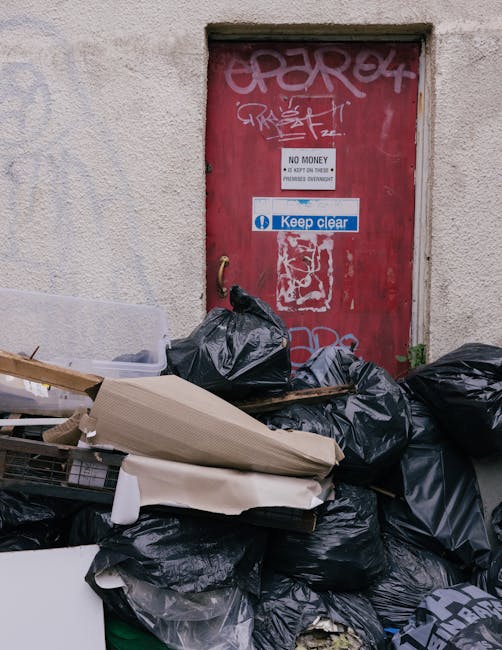
Commercial waste removal in Golders Green needs a service that is organised, practical and suited to the kind of material a business produces week by week. Our work covers the collection and removal of mixed commercial waste, office rubbish and other routine business discards, with the emphasis on keeping the process straightforward for busy premises. When waste builds up, it can affect storage, access and the general working environment, so a clear removal plan matters as much as the lifting itself.
We handle a range of commercial clearances for premises that need dependable disposal without turning the job into a disruption. That can include general office waste, discarded furniture, redundant fixtures and items that have reached the end of their use. The right approach depends on what is present, how it is stored and how it can be carried out safely. If you need a commercial waste removal service in Golders Green, we can provide a practical solution and help you request a quotation.
For larger or more varied loads, the most useful starting point is to separate the waste by type where possible. That helps with planning the collection and makes it easier to decide what is suitable for reuse, recycling or disposal. Clear information at the outset is especially helpful when items are bulky, mixed or stored across several rooms. You can also use the enquiry stage to describe access points, loading restrictions and any time-sensitive requirements.
Business waste collection and workplace clearances

Our business waste collection work is suited to offices, shops, studios and other commercial premises that need accumulated waste taken away in an organised way. The service is designed around the practical realities of workplace clearance, where one job may include sacks of general rubbish, packaging, outdated paperwork, broken office items and furniture that has become surplus to requirements. The focus is on removing what no longer serves the business while keeping the premises workable.
Different workplaces generate different kinds of waste, so the collection method has to match the site. Some jobs are straightforward and involve a small set of items, while others require more time for sorting and carrying. When we plan a clearance, we look at the material itself and the route out of the building, because narrow stairways, shared entrances and loading constraints all affect how the work is carried out. If you are comparing options, business waste removal is a useful place to start for a more specific view of this service area.
A commercial collection can often be shaped around the way your premises operate. Many customers prefer to clear waste during quieter periods so that staff movement, deliveries and customer visits are less affected. The practical decision points are usually the same: what needs removing, how much there is, whether anything must be handled carefully and where the waste is located. A sensible quote is built from those details rather than from guesswork, so it is worth giving a clear picture of the job when you enquire.
Office rubbish removal and desk-area clearances
Office rubbish removal often involves more than simple black-bag waste. Workstations may contain chairs, pedestal drawers, filing units, computer peripherals, shelving and assorted items that are no longer needed after a refit, move or reduction in office use. Some materials are light but bulky, while others are dense and awkward to manoeuvre. The service therefore has to balance speed, care and attention to the layout of the premises.
When office clearances are planned well, they can be completed in a way that keeps disruption manageable. It helps to identify which items stay in place and which need to go, especially if there are shared corridors, reception areas or managed buildings involved. The process can also benefit from a simple inventory of the main items to be removed. If you need a broader page covering this type of work, office clearance explains a related service in more detail.
Some offices are cleared because they are changing use, while others simply need periodic removal of accumulated material. Either way, the aim is to create a workable space without turning the task into an unnecessary production. A quotation is usually easier to prepare when access details, floor level and item types are known in advance. That does not mean every job has to be fully mapped out before you make contact; it simply means the more relevant information you provide, the more accurately the removal can be planned.
Furniture disposal and bulky item removal
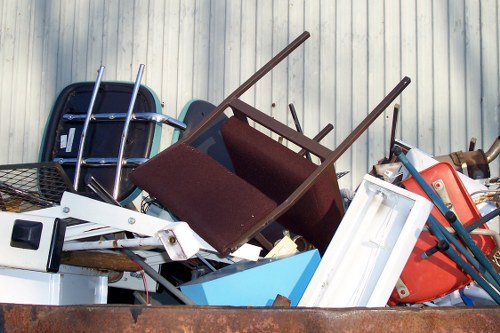
Furniture disposal is a major part of many commercial clearances because offices, shops and hospitality spaces regularly replace seating, tables, storage and display units. Bulky items can take up valuable floor space long before they are physically in the way, especially when they are stacked in corridors or held in spare rooms awaiting collection. Removing them properly restores usable space and keeps the premises easier to work in.
We also deal with items that require careful handling because of their size, weight or shape. A heavy desk, a worn cabinet or a stack of chairs may seem simple on paper, but the route out of the building can be the more important part of the job. For customers who need information on specific household-style furniture items, furniture disposal and furniture clearance provide relevant service pages that may be helpful when planning the work.
In practical terms, furniture removal is usually about deciding what should be taken, what should stay and whether the items are grouped together or spread across the site. That is why it helps to mention the number of units, whether they are dismantled and whether any lifting constraints apply. Good preparation does not need to be complicated, but it can make the collection smoother and reduce the chance of delay on the day.
Large clearances, storage areas and back-of-house waste
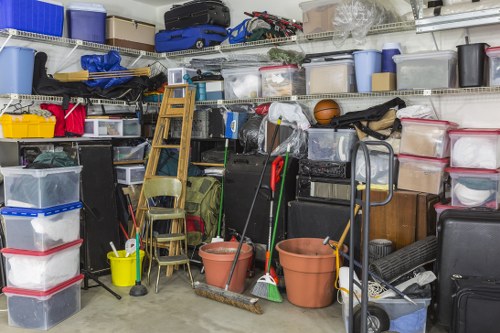
Back-of-house clearances often involve mixed items rather than one tidy category. Storage rooms, stock areas, plant rooms and staff spaces may contain broken equipment, old shelving, packaging, redundant documents and miscellaneous items that have built up over time. In these areas, the work is as much about order as removal, because access can be restricted and the remaining space still has to function after the clearance is complete.
For premises with larger volumes of material, the difference between a manageable load and a difficult one often lies in the detail. Some jobs require only a single collection, while others need a more staged approach because the waste is spread through several rooms or includes heavy objects. You can use a plain enquiry to describe the main categories, or refer to our wider waste removal service if you are looking for a general overview before arranging a quotation. If the load includes a known category of furniture or appliances, those items can be identified separately as part of the request.
- Mixed general waste from offices or commercial back rooms
- Bulky furniture and storage units
- Packaging, archive material and end-of-use stock
- Items that need careful lifting or dismantling before removal
Appliances, specialist items and disposal choices
Some commercial clearances include appliances or other specialist items that need extra attention because they are awkward to move or must be handled in a particular way. Fridges, freezers and similar units are not treated the same as ordinary office rubbish, and that distinction affects how the collection is organised. It is useful to separate those items from general waste at the quotation stage so that the removal plan reflects the actual load.
Where a business has a mixture of items, the key is to identify what is present rather than to assume every object can be processed in the same way. Materials may be reusable, recyclable or simply ready for disposal, and the right route depends on what they are. If you need a page focused on appliances, fridge and appliance removal gives a more specific destination for that kind of work, while
Quotations are easier to shape when the job description includes item types, quantity and where they are located. That applies just as much to one-off clearances as it does to recurring waste collections. If there are stairs, long carries, controlled access or limited parking, those details are worth including because they can change how the work is organised. You do not need a perfect inventory, but a clear summary helps create a better fit between the service and the premises.
Quoted jobs, access and planning the collection
Price is usually influenced by the nature of the waste, the amount to be removed and the practical conditions on site. A neat bundle of light material is not the same as a mixed load of bulky items, and a ground-floor collection is not the same as a clearance involving stairs or multiple carrying points. The more closely the job is described, the easier it is to prepare a quotation that reflects the real work rather than an assumption.
For many customers, the simplest way to arrange a quote is to outline the main item types and the access conditions in one message. If a collection is tied to a deadline, such as the end of a tenancy, a refit or an office move, that should be mentioned too. Pricing and quotes is available if you want to look at the quotation page directly, and book online may also be useful once the scope of the job is clear.
The best enquiries are usually concise but specific. A short list of what needs removing, where it is located and whether anything is fragile or fixed in place is often enough to begin. From there, the job can be assessed against the practical factors that matter: weight, volume, access and disposal requirements. You are welcome to request a quotation once you have those details to hand, or simply make an initial enquiry and add more information afterwards if needed.
About Golders Green
Golders Green is a district in the London Borough of Barnet, in north-west London, known for its mix of residential streets, local shopping and transport links. The area developed rapidly in the late nineteenth and early twentieth centuries after the arrival of the Northern line extension, which helped turn former rural land into a busy suburban neighbourhood. Its streets still show that layered history, with interwar housing, later infill and a commercial centre that serves both local residents and the wider surrounding district. Golders Green Road forms part of the area’s busy core, while nearby lanes branch into quieter residential pockets that retain a more settled feel. The district is also closely associated with Golders Green station, which remains a notable transport landmark and a point of connection within the wider Underground network. To the east lies Hampstead Heath Extension, a significant open space that links the area to larger landscapes of grassland and mature trees, while the neighbourhood itself includes smaller parks, gardens and tree-lined streets that soften the urban fabric. Golders Green has long had a strong cultural identity, shaped in part by its diverse communities and the institutions, shops and places of worship that support them. The result is an area that combines everyday suburban life with pockets of character, visible history and an active local centre, all within a compact part of north London that continues to evolve without losing its established identity.
Commercial clearance for changing premises
When a business is changing layout, reducing storage or emptying a room that has become overloaded, commercial waste removal needs to be more than a collection of loose items. It has to fit the way the premises are used and the way the items are stored. That is why we treat each job as a practical clearance rather than a one-size-fits-all pickup. The work may involve dismantling, lifting, carrying, sorting or grouping items so that the space can return to normal use.
Our approach is especially useful where the same site contains different categories of waste in one place. An office might have chairs, filing cupboards and packaging together; a shop might have shelving, display material and general rubbish; a back room might contain old stock and a few unwanted appliances. In those situations, it helps to make the structure of the job clear before collection day. If you are dealing with household-style items as well, home clearance and house clearance are relevant pages where the scope differs from commercial work.
Most customers do not need a complicated process, just a sensible one. Describe the items, their location and any access points, then ask for a quote based on that information. If the site has restrictions on timing, parking or loading, mention them early so the collection can be planned around real conditions rather than after-the-fact adjustments. That is often the simplest route to a smooth removal and a clearer understanding of the work involved.
Waste types, recycling considerations and next steps
Commercial waste removal can involve several waste streams at once, which is why sorting the job into categories can be helpful. General rubbish, reusable items, recyclable materials and specialist pieces do not all need the same handling. Some waste can be prepared in advance, while other items are best left in place until the collection is arranged. The aim is to make the job straightforward without asking you to do unnecessary work before the team arrives.
For businesses with regular clearance needs, it is worth thinking about which items tend to accumulate and which areas are most likely to need attention. That may include desks, filing units, seating, packaging or redundant equipment. If your enquiry involves a dedicated office setting, flat clearance is not relevant here, but loft clearance and garage clearance show how different spaces can be handled when a more specific location is involved. The underlying principle is the same: identify the load and remove it in a way that suits the space.
If you are ready to move forward, send a brief description of the waste, the premises and the access conditions. That allows the quotation to be based on the work as it stands, rather than on broad assumptions. You can also mention whether the job is a one-off clearance or part of a recurring need. Request a quotation today and give as much practical detail as you can so the next step is easy to arrange.